Why Hotels Look Better Online Than in Real Life
Travel, Romantic Hotels, Hotel Planning Advice
Why Some Hotels Look Better Online Than They Feel in Real Life
A calm look at why romantic hotels can feel different from their photos, and how to choose places that suit the way you and your partner actually travel.
The gap between the photos and the feeling
Most couples book hotels in the same way now. A few searches. A shortlist of romantic hotels. A row of tabs open with glossy photos and carefully chosen words. Maybe you are looking at the best hotels in Croatia, maybe somewhere else by the sea. The images are always quiet. Nobody is tired, nobody is unpacking, nobody is wondering if they chose the right place. It is easy to forget that real holidays never look quite like that.
In real life, you arrive slightly crumpled from travel. One of you is hungrier than the other. Someone needs a shower, someone wants to lie down. The room smells faintly of cleaning products. The air conditioning is either too strong or not strong enough. The view is there, but so are the sounds you never hear in the photos. This is where emotional realism in accommodation choices really begins: in the first half hour, when you quietly decide whether this hotel makes it easier to relax together, or slightly harder.
Looking for how a place feels, not just how it looks
Emotional realism in accommodation choices is not a complicated idea. It is simply paying attention to how you and your partner actually live on holiday, instead of how the photos suggest you might. You might love the idea of a rooftop pool, but spend most of your time reading on the balcony. You might think you want a grand lobby, but really you just want a calm breakfast and a decent mattress after a long day of walking the coast.
When people search for the best hotels in Croatia or other coastal places, they often picture the big moments. The first drink overlooking the sea. The first time you slide the balcony door open and smell the salt in the air. Those moments matter. But what usually decides whether you feel close and rested is everything that happens in between. How easy it is to sleep. How long breakfast runs in the morning. Whether you feel like you can just be yourselves in the room without treating it like a stage set.
💡 Quiet travel tip: When you look at hotel photos, imagine arriving slightly tired and slightly irritated. Does the room still feel kind to you both in that state, or only when everything is perfect?
Noise: the detail nobody photographs
Noise is one of the main reasons hotels feel different from their online promise. The photos give you light and colour, but not the sound of the bar downstairs, the scooters on the street, or the couple arguing softly through the wall at midnight. In Mediterranean towns, especially in summer, evenings stretch late. Plates and glasses, music from somewhere you cannot quite see, footsteps on the pavement below. It can be charming, or it can be the reason you both wake up tired and short-tempered.
Romantic hotels near the centre often trade silence for atmosphere. Being close to restaurants and the waterfront is convenient. You can walk back slowly after dinner, slightly sun-tired, with the sea still in your skin. But if the windows are thin, the romance of the location may not feel so gentle at two in the morning. It is worth asking yourself how sensitive you both are to noise. Some couples sleep deeply anywhere. Others need a quieter street to stay kind to each other by day three.
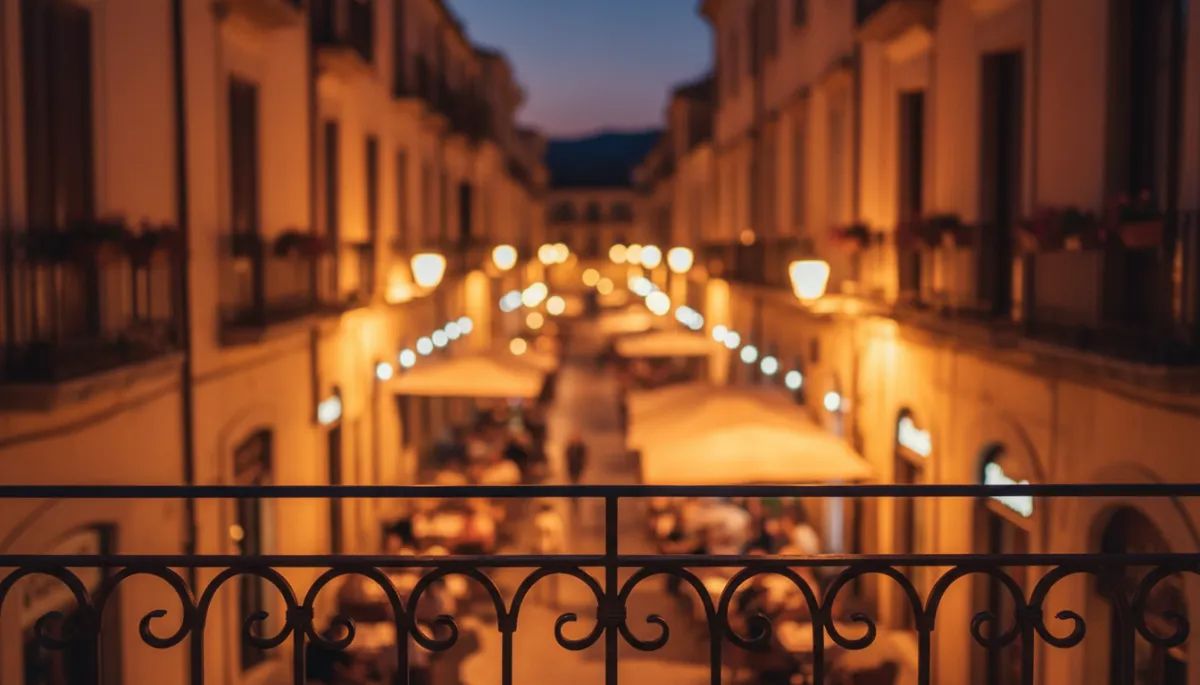
Evening street noise can feel lively or exhausting, depending on how light you both sleep.
When you read reviews, the comments about noise are often the most honest. They come from people who lay awake at 1 am listening to chairs scraping outside, or who loved hearing the soft clink of cutlery below while they got ready for bed. These are the details that shape your mood the next day. They rarely appear in the marketing, but they are woven into every romantic trip, whether you notice them or not.
Pacing: when the hotel matches your rhythm, not your plans
Hotel planning advice often focuses on location and facilities. Less is said about pacing, even though it quietly decides how your days feel. Some hotels are built for people who want to be out from morning until late evening. Others suit couples who like to drift between the room, the pool, and the nearby café without much of a plan. The photos rarely show you this rhythm. They show empty sun loungers, not the scramble for shade at midday. They show breakfast tables, not the queue for coffee when a tour group arrives at 8 am.
Think about how you both move through a day when you are away. If you like slow mornings, a hotel with breakfast served until late can feel more romantic than one with a spectacular buffet that closes at nine sharp. If you enjoy an afternoon lie down, a room that stays cool and dim is more useful than a rooftop bar you will only visit once. Emotional realism here means choosing pacing over prestige. It means admitting that you might be happiest in a place where you can pad down to the sea in the same clothes you slept in, rather than somewhere that expects you to dress up for every space.
💡 Quiet travel tip: When reading about romantic hotels, look for small clues about timing: when breakfast starts, how late the bar stays open, whether guests mention afternoon quiet or constant movement.
Location fatigue: when the centre is not the calmest place to be
Many couples automatically search for hotels as close to the main sights as possible. Near the old town. On the harbour. Right by the famous promenade. It makes sense in theory. You imagine stepping out of the lobby and being in the middle of everything. But after a few days, the same streets can start to feel crowded and slightly repetitive. This is location fatigue, and it can quietly drain the softness from a trip, even if the hotel itself is beautiful.
In coastal places, especially in Croatia, some of the best hotels for couples are not right in the centre, but a short walk or a gentle ferry ride away. At first, the extra distance might feel inconvenient. Later, it becomes part of the rhythm. The slow walk back along the water after dinner. The feeling of leaving the busier streets behind and returning to somewhere a little quieter. The relief of stepping into a lobby that is not full of people checking in every half hour. These are not details that show up clearly in photos, but they shape how rested you both feel by the third or fourth night.
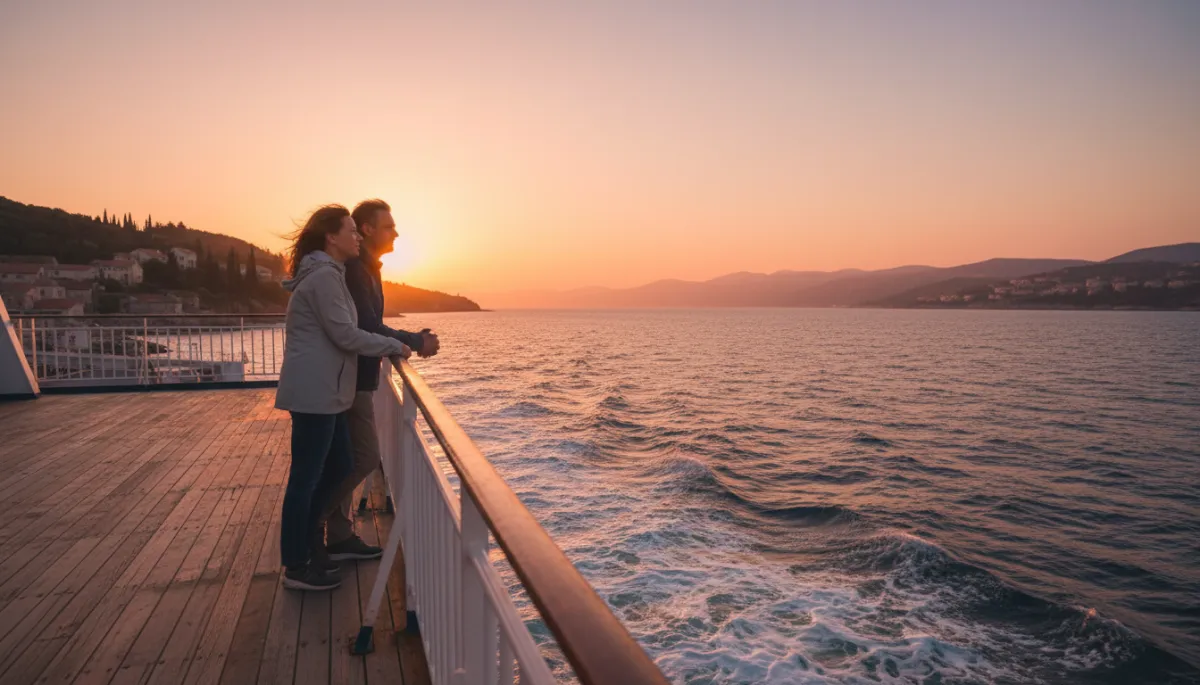
Slight distance from the centre can turn a simple ferry ride into a daily ritual.
Location fatigue is not dramatic. It shows up in small ways. You start choosing the same restaurant because you are too tired to think. You skip an evening walk because you cannot face the crowds again. You find yourselves staying in the room earlier than you expected. A hotel a little outside the busiest streets can prevent that slow tiredness from building. It gives you somewhere to retreat to that feels separate from the day, even if it is only ten minutes away by foot or ferry.
Atmosphere: the part you notice when nothing much is happening
Atmosphere is what you feel in the quiet moments when you are not doing anything in particular. It is how the corridor smells when you come back from dinner. It is the way the staff speak to you when you ask a small question. It is whether you feel comfortable walking through the lobby in shorts and wet hair, or whether you feel like you should have dressed for it. Photos can hint at atmosphere, but they cannot show you how you will feel moving through the space with your partner at the end of a long day.
In romantic hotels that feel good in real life, there is usually a sense of ease. You can come back from the beach slightly sandy and not worry about it. You can sit in the bar and order just one drink without feeling rushed. You can linger over breakfast without someone hovering near your table. The décor matters less than this atmosphere of unspoken permission to slow down. It is the difference between a place that looks beautiful online and a place that quietly holds you while you are there.
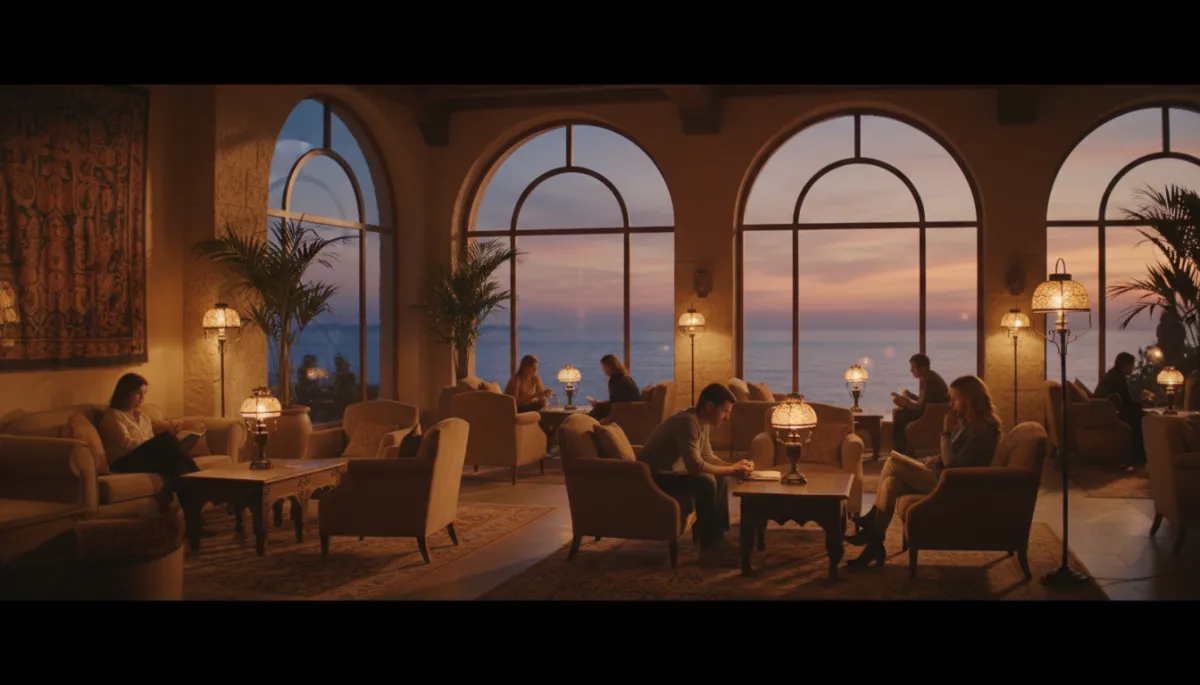
A gentle hotel atmosphere often comes from small, unhurried shared spaces rather than showy design.
When you read hotel planning advice, it can feel practical and detached. But atmosphere is deeply emotional. It affects how easily you talk to each other, how quickly you unwind, how much you feel like yourselves. Some places invite you to slow down without saying anything. Others make you feel like you should be making the most of every facility. For tired couples, the first kind is usually kinder.
The quiet value of a real balcony
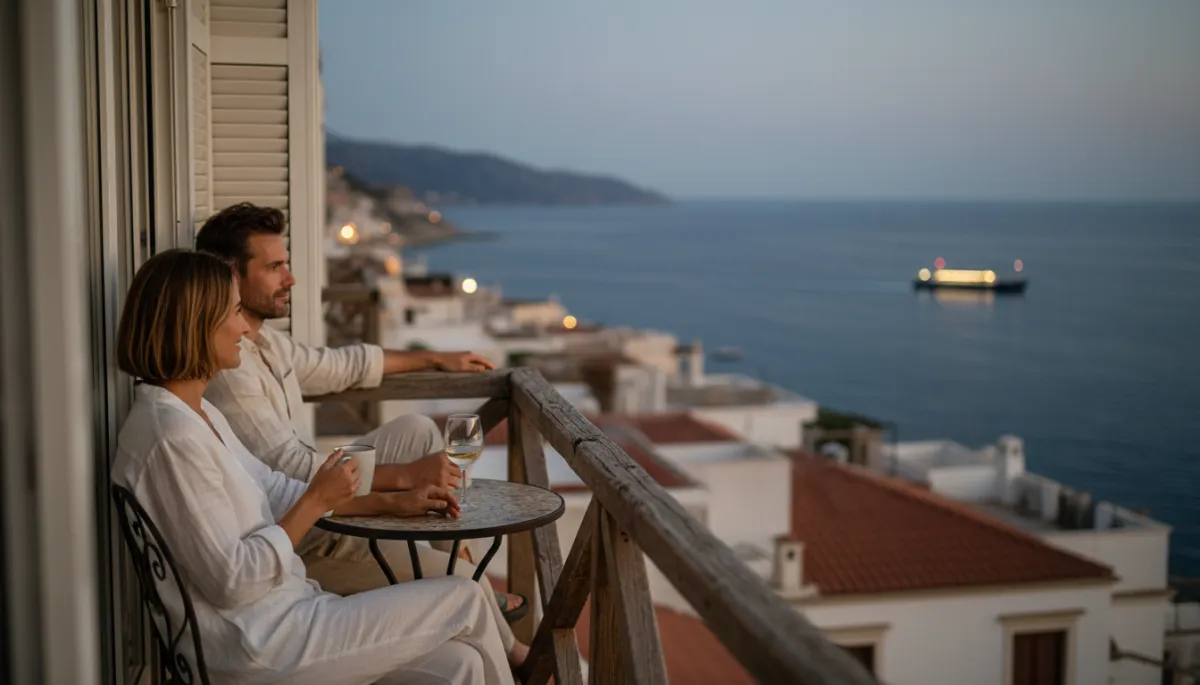
Balconies are one of the most photographed features of romantic hotels, especially in coastal destinations. A table, two chairs, maybe a glass of wine, and the sea beyond. In the photos, they are always empty and perfectly arranged. In real life, the value of a balcony is more practical and more emotional than that. It is not just about the view. It is about having a small, private outdoor space where you can both decompress without needing to be social or dressed for the public areas of the hotel.
A good balcony becomes part of your daily rhythm. Morning coffee before the town wakes up properly. Towels drying on the chairs after a swim. Sitting outside in the evening, not really talking, just listening to the sounds from the street or the sea. It is where you can be slightly messy and slightly quiet together. Even a partial sea view can feel enough if the space is comfortable and the chairs are not an afterthought. This is the kind of detail you rarely see clearly in the promotional shots, but it matters more than a perfectly staged image.
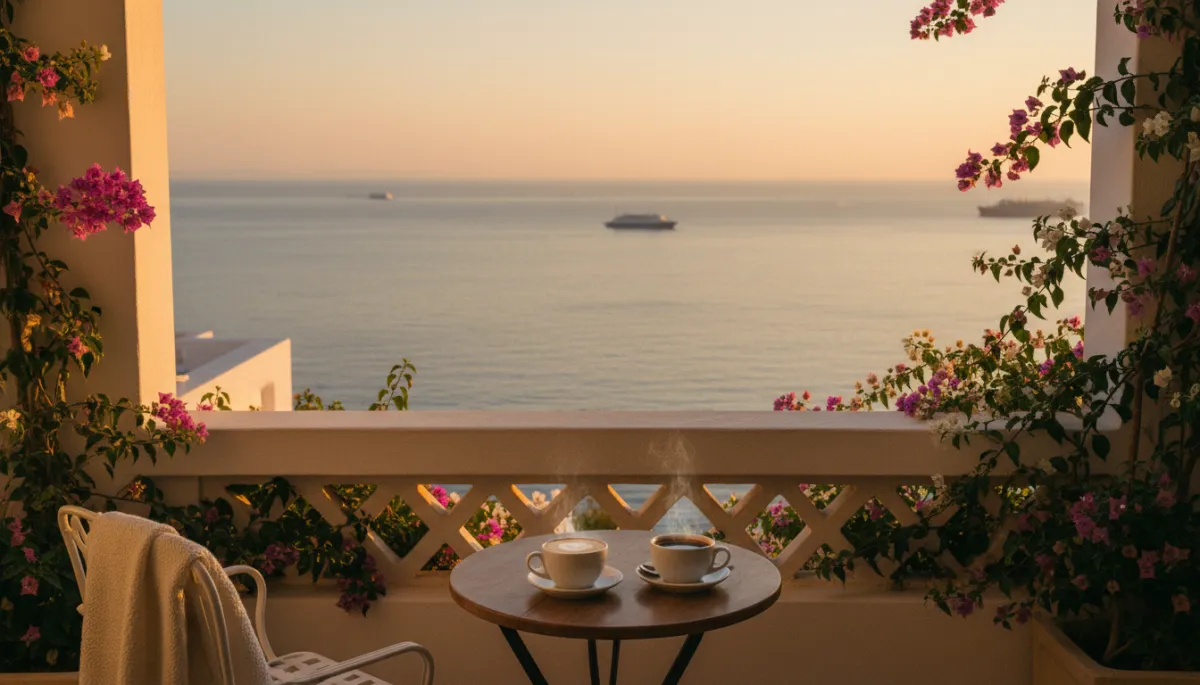
A modest balcony often holds more real moments than any grand shared terrace.
When you are comparing romantic hotels, it can help to think about how you would actually use the balcony. Are you early risers who like to sit outside with tea? Do you usually come back from dinner and want one more quiet drink before bed? Or are you more likely to close the curtains and sleep as soon as you get in? If you know you will live on that balcony, it might be worth choosing a slightly simpler room with a better outdoor space, rather than a more polished interior you will barely see in daylight.
Practical comfort: the unromantic details that keep you kind to each other
Practical comfort is not glamorous, but it is what stops small irritations from growing. A bed that does not squeak every time one of you turns over. Enough hangers so you are not living out of a suitcase. A shower that is easy to use without flooding the entire bathroom. Air conditioning that does not hum loudly all night. These are not the features that appear first when you search for the best hotels in Croatia, or anywhere else. Yet they quietly decide how rested and patient you both feel by the middle of the trip.
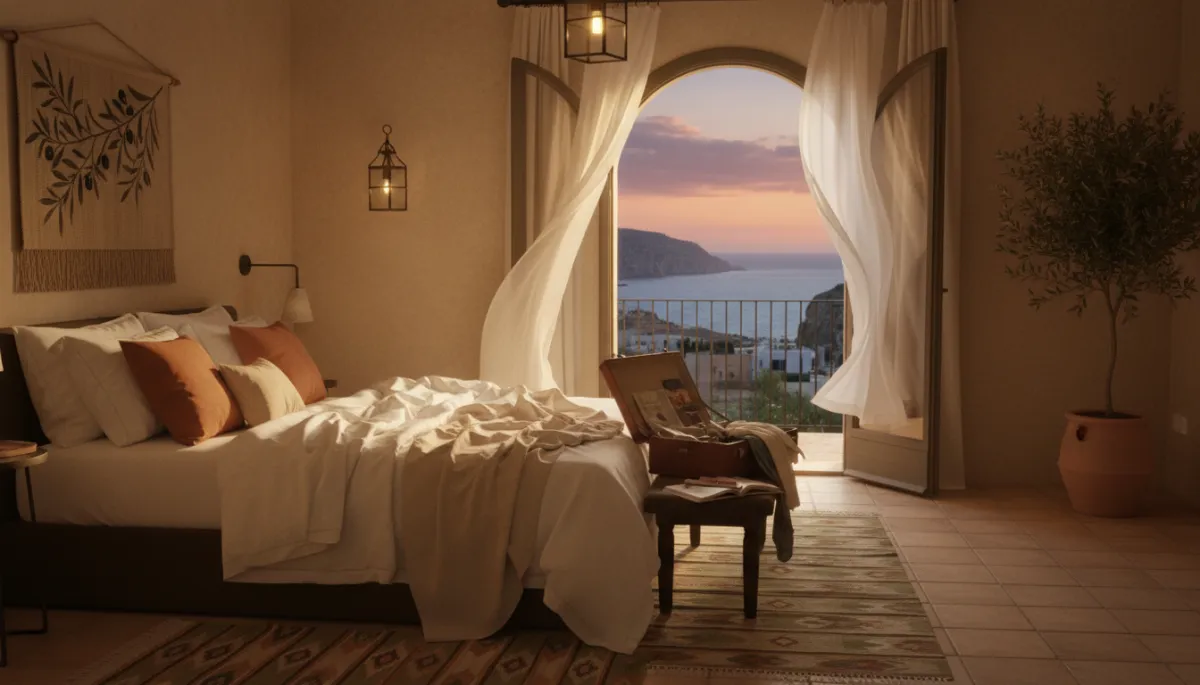
Real comfort often shows in how a room feels once it is lived in, not just styled.
For many couples, romance comes less from grand gestures and more from not having to think about these basics. You sleep properly. You can both shower without negotiating space. There is a plug near the bed for your phone. The towels dry overnight. The room stays dark enough in the morning if you decide not to set an alarm. None of these things are dramatic. They simply remove friction, so that your energy can go into small shared pleasures instead of small shared complaints.
💡 Quiet travel tip: When reading reviews of romantic hotels, pay attention to comments about beds, showers, air conditioning and storage. They sound dull, but they are often what people really remember when they think about how restful the stay felt.
Choosing hotels with your real relationship in mind
Romantic hotel choices are often made for an imagined version of a couple. The one that never argues, never gets hungry at the wrong time, never needs an afternoon nap. In reality, most people arrive on holiday with a bit of accumulated tiredness from work and life. The first day can feel slightly awkward while you both adjust to being together all the time again. A hotel that looks perfect online but feels stiff in person can make that adjustment harder. A simpler place with a softer atmosphere can make it easier.
When you talk about where to stay, it can help to be honest about what you both need rather than what sounds impressive. Maybe you care more about a long breakfast than a rooftop pool. Maybe you would rather be near a quiet swimming spot than in the centre of the nightlife. Maybe one of you sleeps lightly and needs thicker curtains and a quieter street. These are not glamorous conversations, but they are the ones that lead to trips where you come home feeling closer instead of slightly frayed.
Letting go of the pressure to choose the “perfect” hotel
Online, there is a quiet pressure to find the most romantic hotel, the most stylish room, the most talked-about address. Lists of the best hotels in Croatia, or in any region, can be useful as a starting point. But real holidays rarely depend on whether you picked the absolute best. They depend more on whether the place suited your pace, your noise tolerance, your need for space, and your way of being together when you are tired. A hotel can look perfect in photos and still not quite fit your relationship. That is not a failure. It is just a mismatch of rhythm.
Some of the most romantic stays people remember later are in hotels that would never top a glossy list. They remember a balcony with a slightly crooked table where they had long, slow breakfasts. A receptionist who quietly recommended a simple local restaurant where they ended up going twice. A room that was nothing special on camera but felt like a small, safe world when the door was closed and the lights were low. Emotional realism in accommodation choices means allowing for this kind of imperfect, very human satisfaction.
Planning with softness: a few gentle guidelines
Start from how you actually travel. Think about your real habits rather than your idealised ones. Do you nap? Stay out late? Wake early? Choose hotels that match that rhythm.
Read reviews for mood, not just scores. Look for comments about noise, staff warmth, breakfast pace, and how people felt, not only star ratings.
Consider being slightly outside the centre. A short walk or ferry ride can protect you from location fatigue and give your days a natural beginning and end.
Value balconies and small outdoor spaces. They are where many of the quietest, most real moments of a romantic trip actually happen.
Do not ignore practical comfort. Beds, showers, air, light and storage are not glamorous, but they protect your patience and your sense of ease with each other.
A softer way to remember hotels
When you look back on trips, you rarely remember every design detail of the room. You remember how it felt to return there at the end of the day. Whether you could open a window and hear the sea. Whether you padded to the bathroom in the dark without bumping into anything. Whether you sat on the bed scrolling through options for dinner together, or whether you already knew exactly where you wanted to go because the receptionist had suggested somewhere that suited you both perfectly.
Some hotels stay with you not because they were the most beautiful online, but because they quietly supported the kind of relationship you have in real life. They gave you enough calm to talk properly. Enough comfort to sleep well. Enough small, private spaces for your own routines. They did not demand that you perform a certain kind of couplehood. They just gave you a gentle backdrop for the version of you that already exists.
When you plan your next trip, whether you are browsing long lists of romantic hotels or comparing the best hotels in Croatia along the coast, it might help to hold that in mind. The goal is not to find a place that looks flawless in every photograph. It is to find somewhere that will feel kind to you both when you arrive tired, unpack slowly, and start to build the small, ordinary routines that make holidays quietly memorable.
Usually the real magic of a hotel shows up somewhere around the second evening, once nobody is trying to make the most of every hour anymore. The photos fade a little. The real pace of your days settles in. If the place still feels gentle then, still makes it easy to be yourselves, you chose well, even if it never looks quite as polished as it did online.
