The smartest way to experience Istria in 7 days
Croatia, Slow Travel, Istria
The smartest way to experience Istria in 7 days
A quiet Croatian escape designed for very busy British professionals.
Most British travellers look south when they think of Croatia.
They picture:
the walls of Dubrovnik
crowded island ferries
packed beach clubs
overrun summer hotspots
But northern Croatia offers something very different.
Something slower.
Something calmer.
Something easier to truly enjoy.
📌 Key point: For British professionals trying to escape tight schedules, notifications, meetings and decision fatigue, this difference matters far more than most people realise.
Istria blends the Adriatic coast, Italian influence, vineyard‑covered hills, elegant boutique hotels, Roman history and easy‑to‑manage distances into one of the most balanced destinations in Europe.
You can move between coastal towns, wine routes, ancient villages and seafood restaurants without spending half your holiday stuck in transfers.
And perhaps the biggest surprise?
Most British tourists still haven’t truly discovered it.
Why Istria works so well for couples from the UK
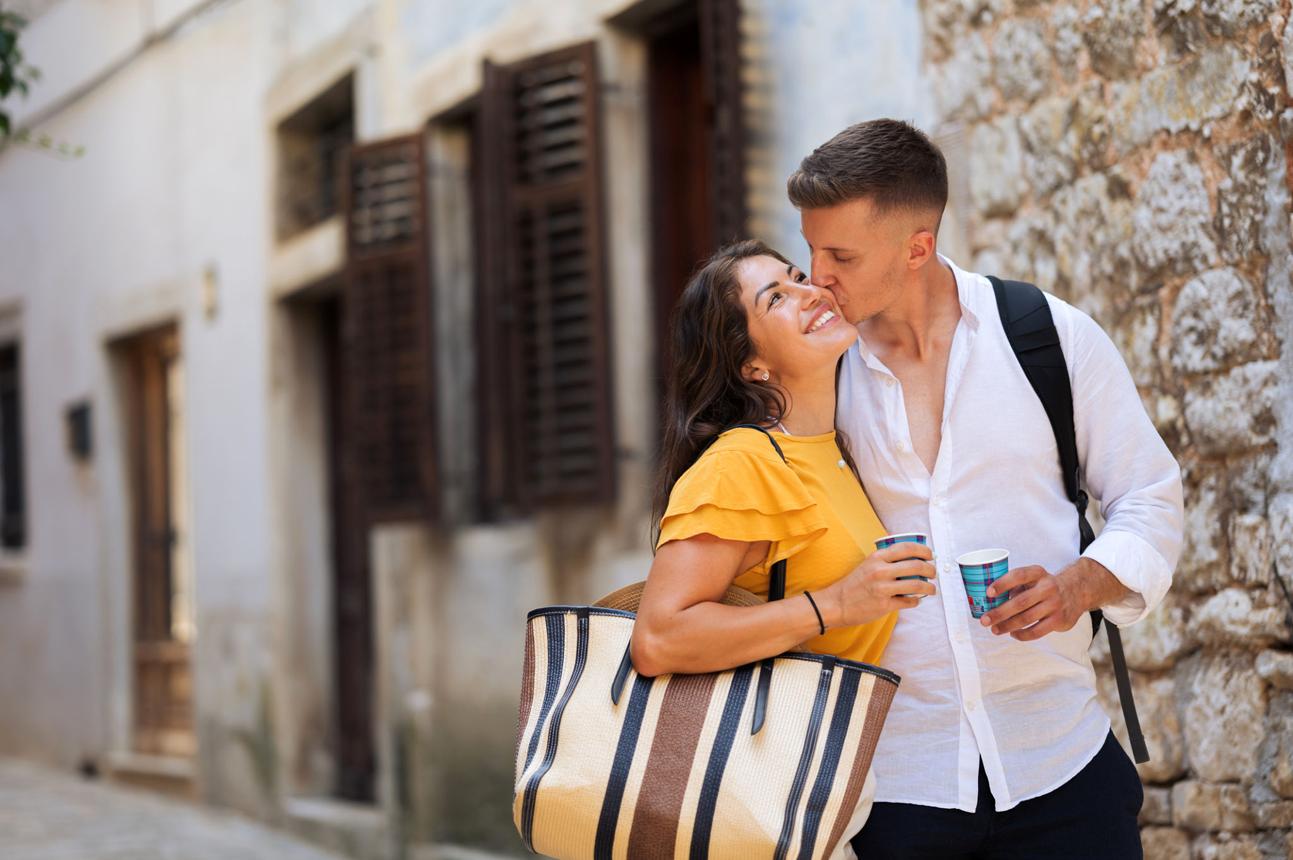
The best trips are rarely the ones where you try to see everything.
They’re the ones where the pace finally feels right.
Istria is compact in the best possible way. Most drives take less than an hour. This completely changes the emotional feel of the trip.
Instead of:
racing from one destination to another
constantly unpacking your bags
trying to “cover” everything
…you can actually stop in places and experience them properly.
💡 Pro Tip: In Istria, taking it easy doesn’t mean missing out – it means enjoying everything else more.
Long lunches become the norm.
Coffee breaks stretch out.
Time in the hotel becomes part of the experience rather than just a place to sleep.
For couples used to intense working lives in the UK, this shift in pace feels surprisingly restorative.
Day 1: Arrival in Pula
Start slowly, not stressed
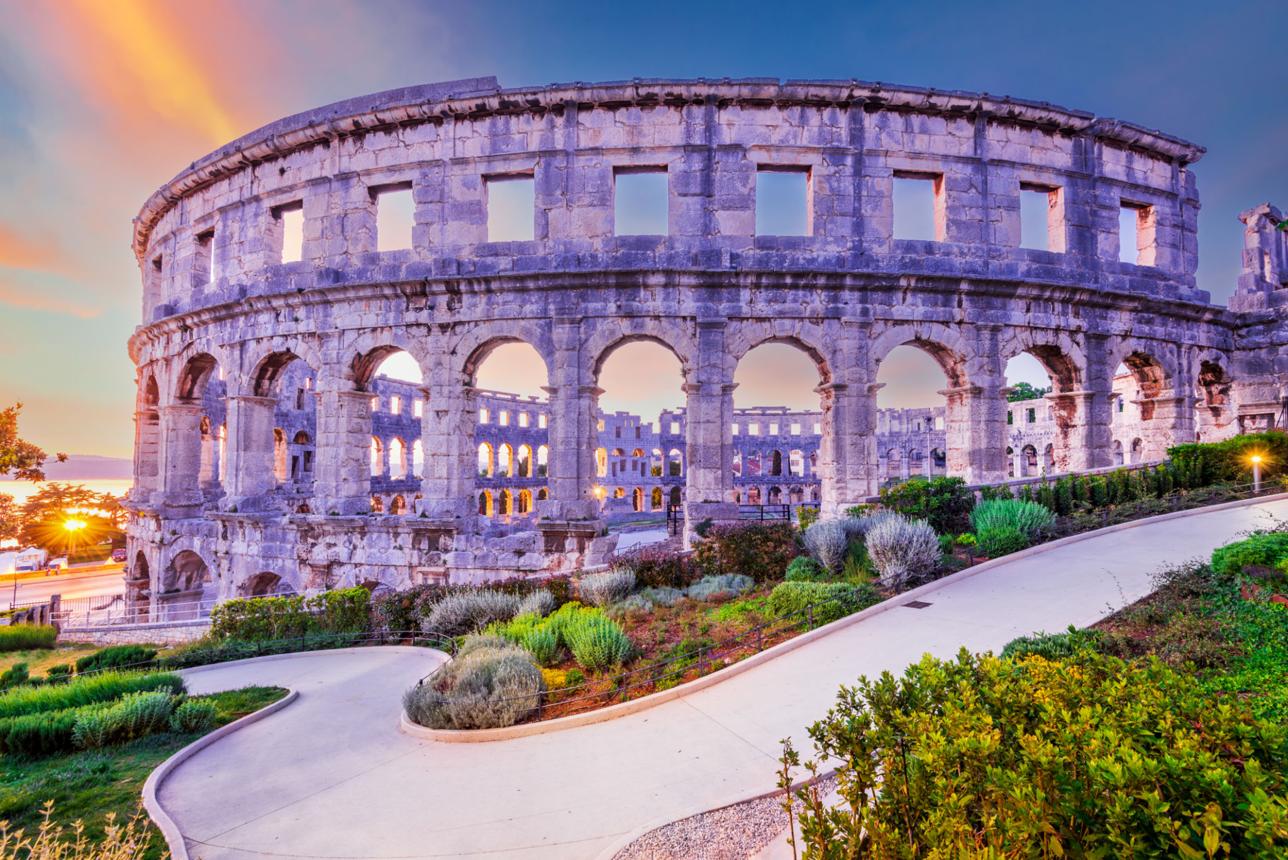
Begin your trip in Pula.
It’s the smartest entry point to Istria, especially after a flight from the UK.
Instead of chasing the “perfect holiday moment” straight away, use the first day to properly switch off.
📌 Why Pula works: the city is big enough to be interesting, but small enough to never feel overwhelming after the journey.
Pula works brilliantly for this because it gives you a feeling of somewhere:
manageable
easy to walk around
historic without being overwhelming
relaxed without feeling sleepy
After you arrive, keep the evening simple:
check in to your hotel
wander through the old town
admire the Arena of Pula lit up at night
enjoy a slow dinner near the harbour
No pressure to overdo it on day one.
💡 Pro Tip: Think of the first day as a “buffer zone” between your working life and your holiday.
This slower start sets the tone for the whole trip.
Ideal stay:
2 nights
Day 2: Roman history, fresh fish and Adriatic rhythm
Pula is at its best when you move at a slower pace.
Many travellers underestimate how enjoyable it can be to simply sit in the marina with fish, wine and no urgent commitments.
What to prioritise
Morning stroll through the old town
Visit to the Roman Arena
Olive oil tasting
Lunch on the waterfront
Late afternoon swim
Sunset cocktails near the marina
📌 Observation: This is where many travellers start to notice something important about Istria: it offers many of the things people love about Mediterranean Europe without the same level of chaos you often find in crowded hotspots.
Day 3: The coastal drive to Rovinj
Slowing down along the way
The drive from Pula to Rovinj is short, which means you can turn the journey itself into part of the holiday instead of “just needing to get somewhere”.
This is one of Istria’s biggest strengths.
Optional stop: Fažana
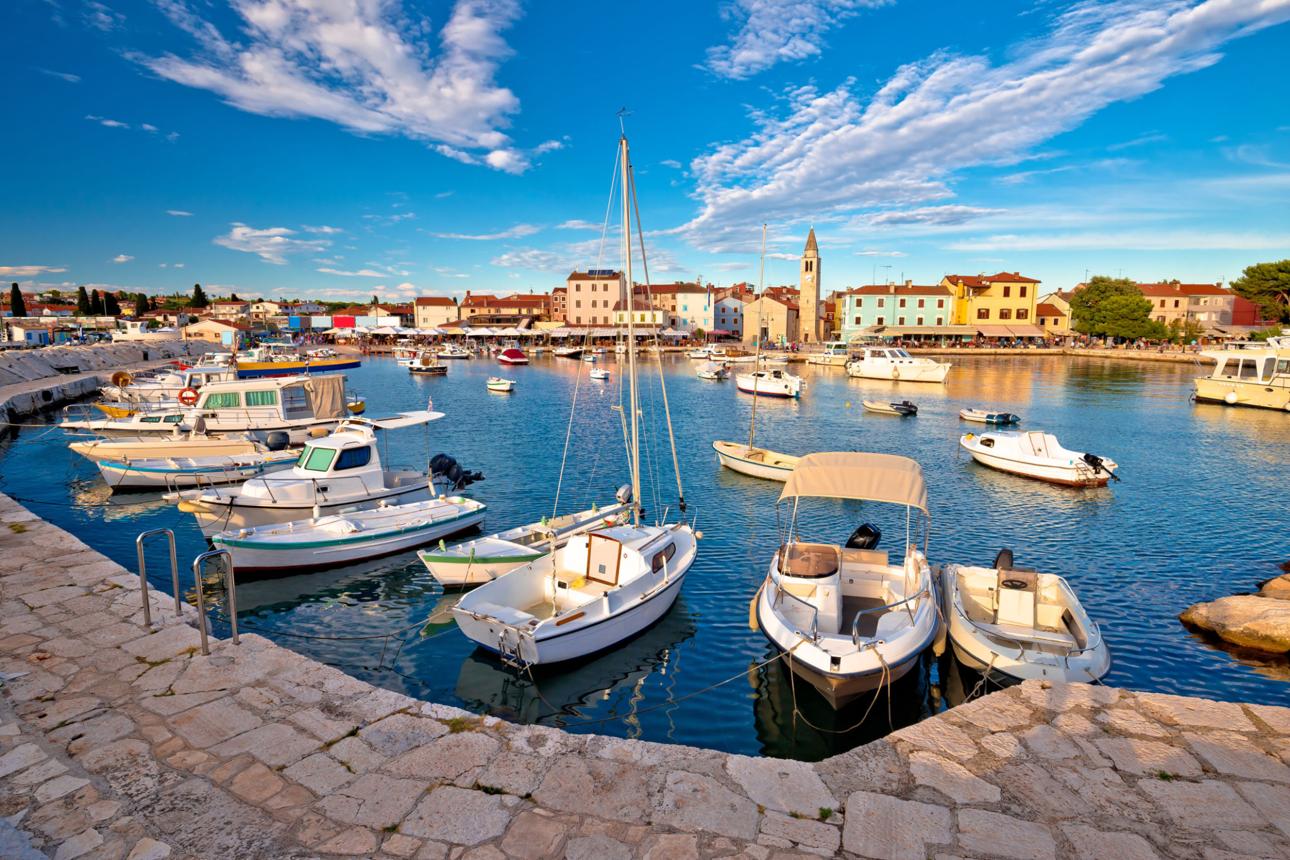
Fažana is a great lunch stop before you continue north.
Small fishing harbour. Relaxed atmosphere. Waterfront seafood restaurants.
It feels authentic without feeling staged.
Optional stop: Bale
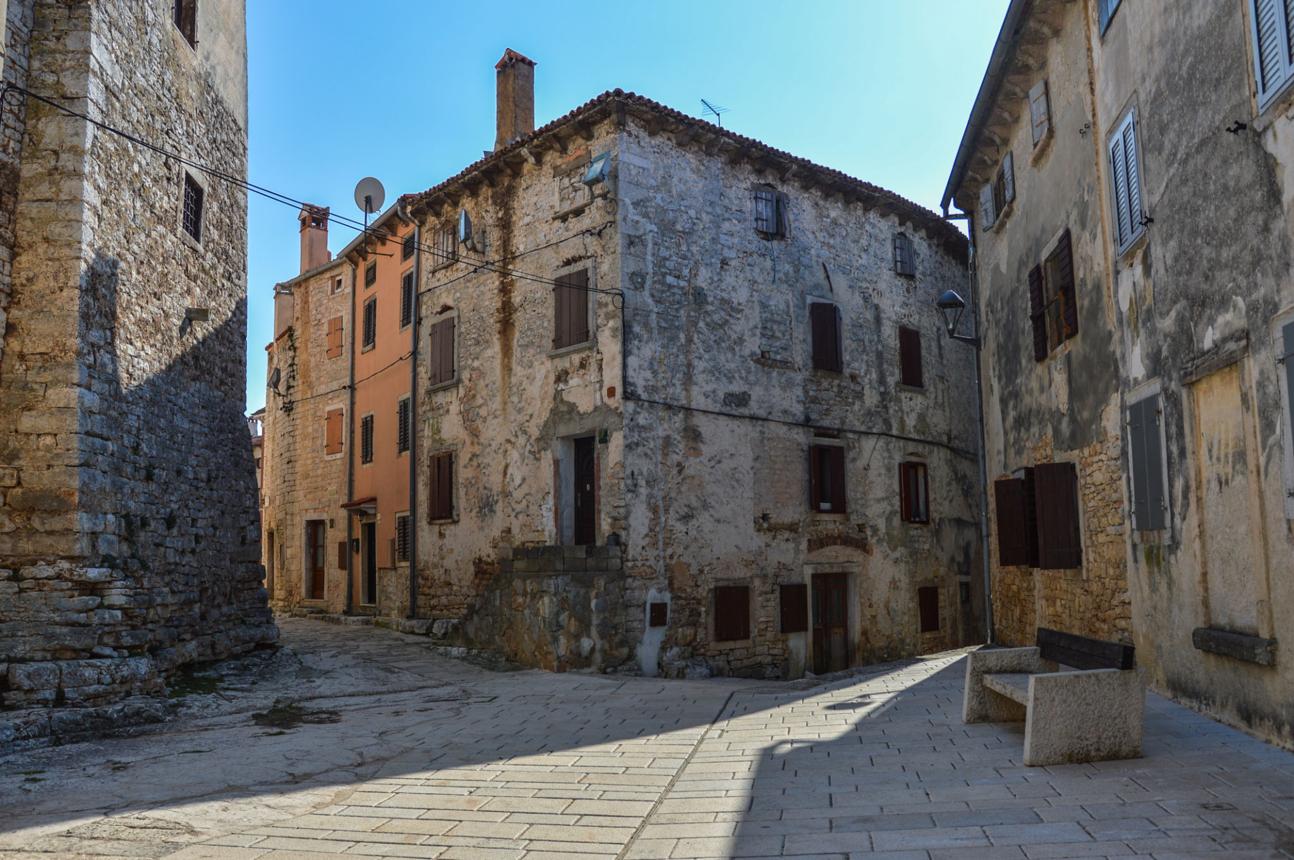
For something quieter and more atmospheric, Bale offers stone streets, old shutters and a slower, more inward rhythm that many travellers completely overlook.
In the late afternoon, arrive in Rovinj and settle into one of the most elegant coastal towns on the Adriatic.
💡 Pro Tip: Instead of aiming for the fastest road, choose slightly longer routes that pass through villages and countryside – this is where Istria shows its most authentic side.
Day 4: Rovinj, but gently
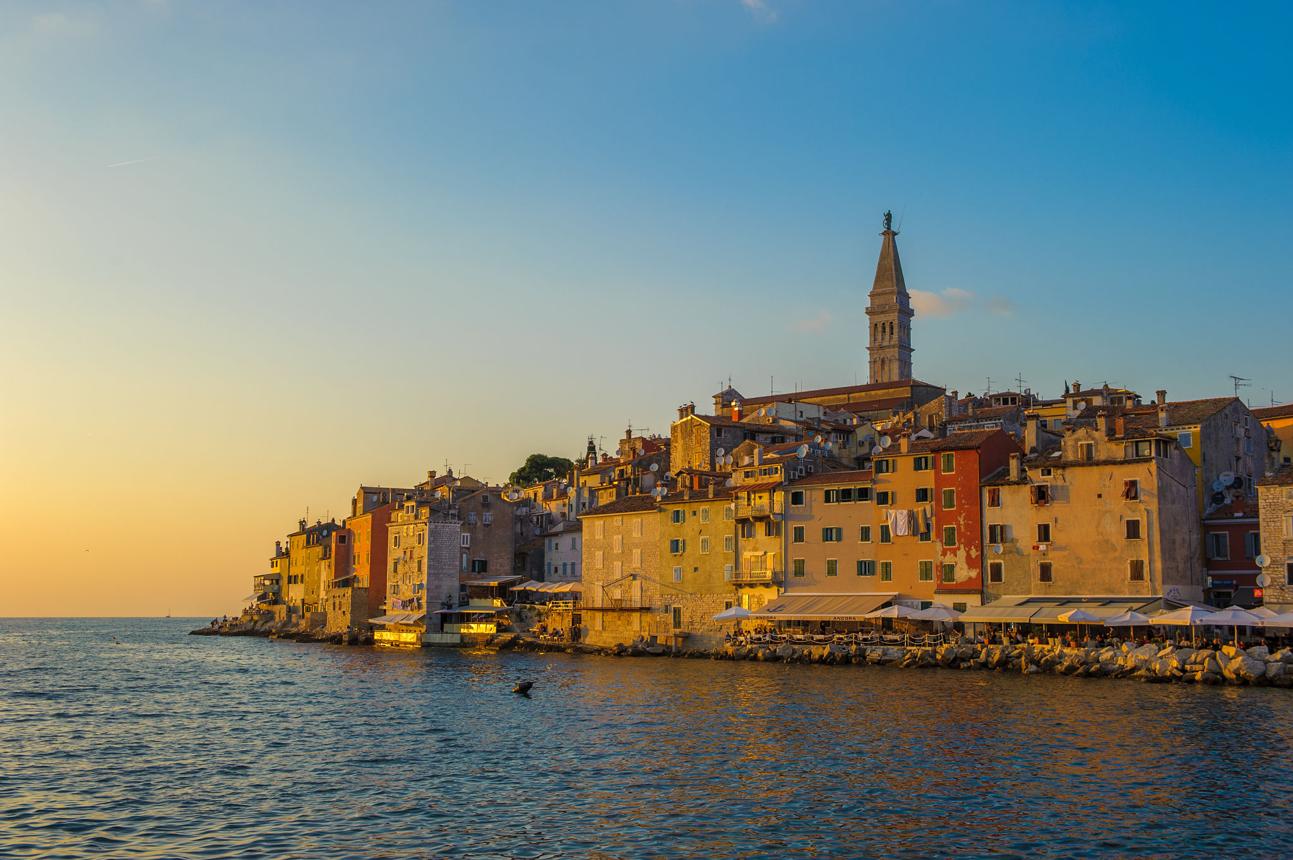
Do less, live more
Many people rush their visit to Rovinj.
That’s a mistake.
Rovinj is at its best when you allow yourself the time to simply exist there.
The old town is not a place to hurry through with a checklist.
It’s a place to get lost in alleyways, sit, watch and let yourself be surprised by the details.
It’s somewhere to explore without rushing.
To pause.
To sit by the harbour for longer than you planned.
Ideal day in Rovinj
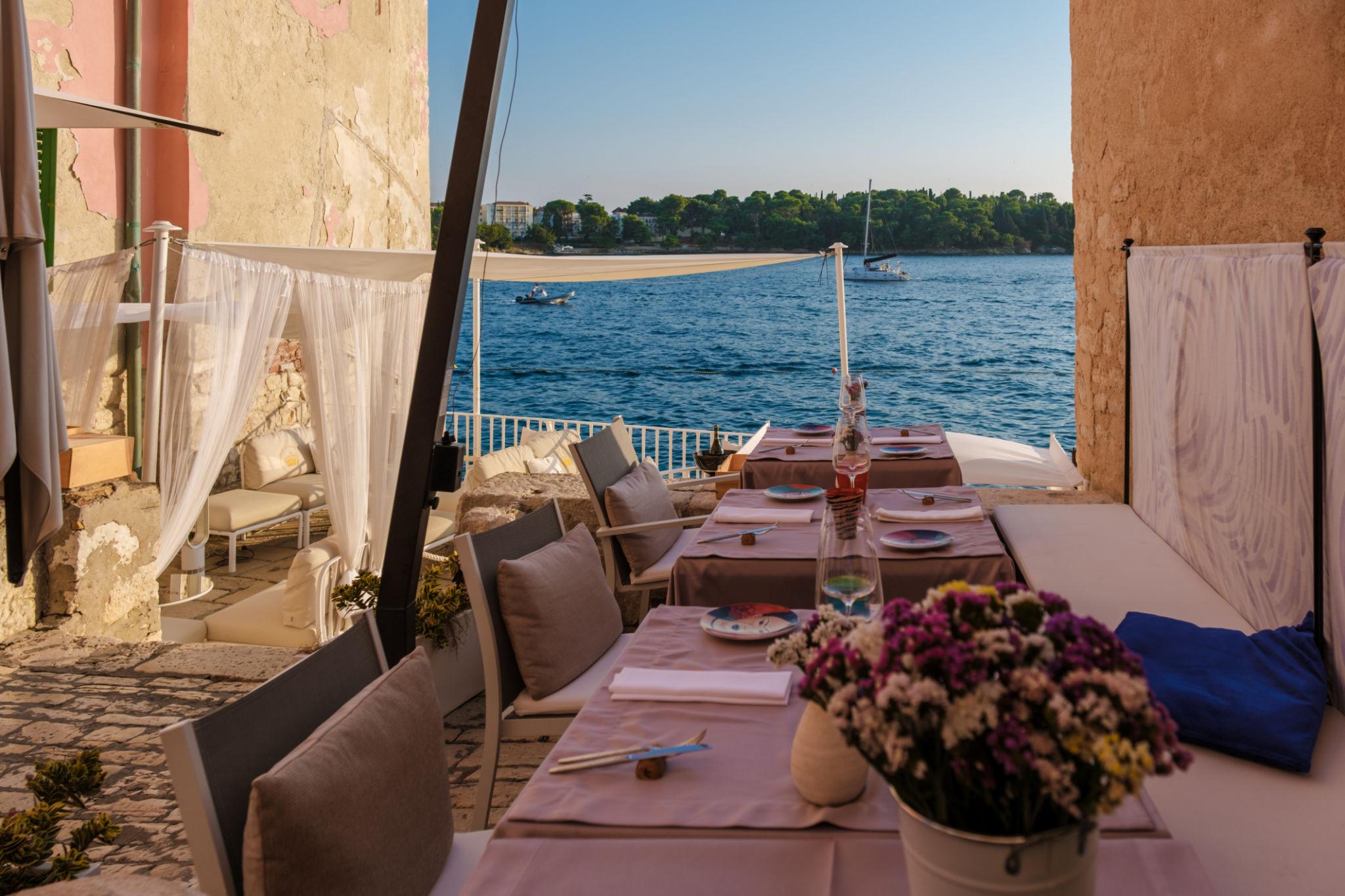
Slow breakfast by the waterfront
Swim or boat trip
Afternoon coffee break
Sunset walk near the Church of St Euphemia
Seafood dinner with views of the Adriatic
📌 Key moment: It’s often here that many travellers realise they’ve finally, genuinely relaxed.
Day 5: Inland Istria
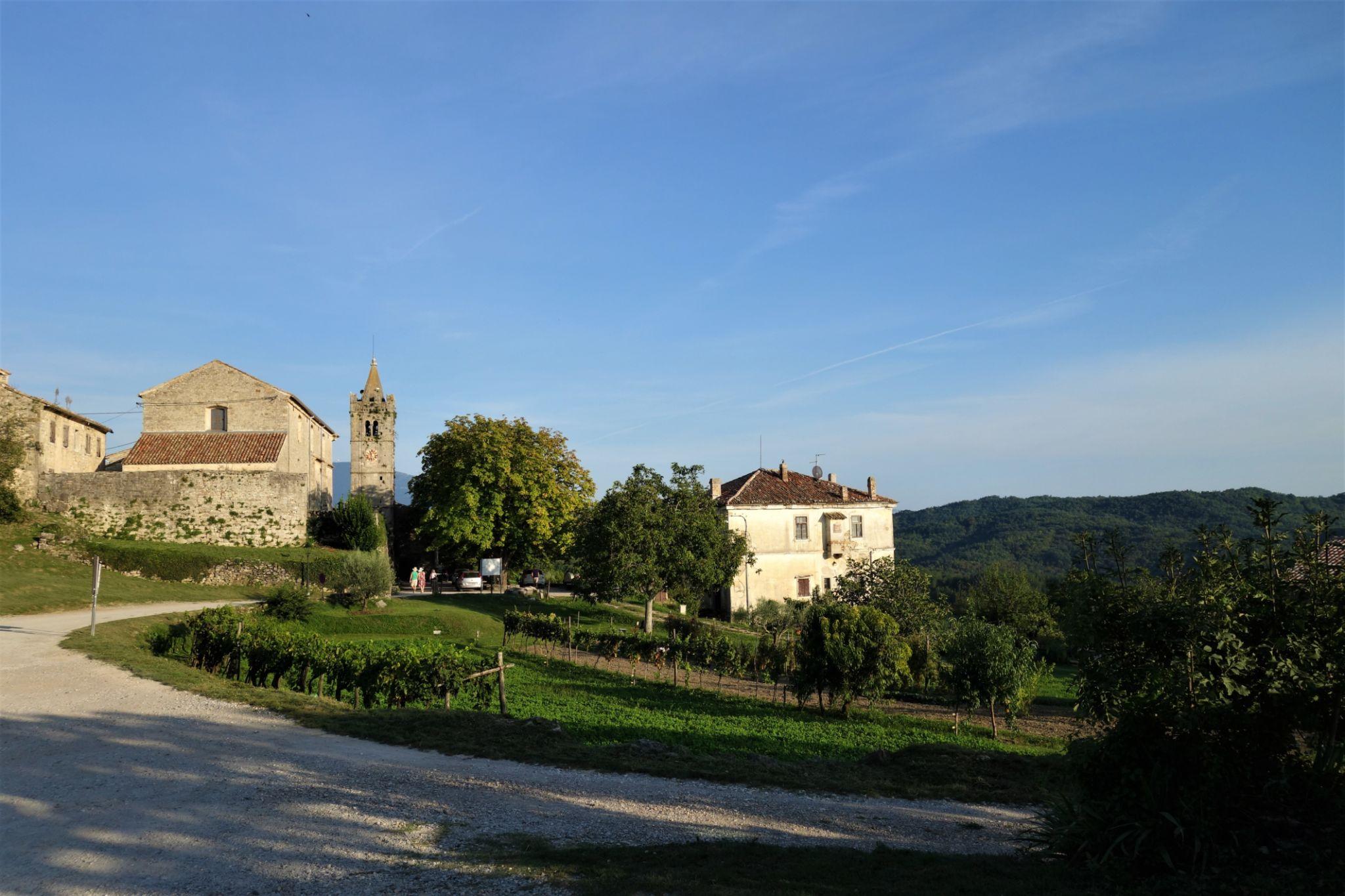
Vineyards, hilltop villages and the smallest town in the world
Today the atmosphere changes completely.
Leave the coast behind and head inland towards Motovun, Grožnjan and Hum.
This side of Istria is slower, greener and more intimate.
Instead of beach clubs and crowded promenades, you’ll find:
vineyards
olive groves
stone villages
truffle restaurants
quiet roads winding through the hills
Hum, often described as the smallest town in the world, is the kind of place many travellers would never discover on a classic Croatian itinerary.
Tiny stone lanes. Old wooden doors. Silence broken only by a few voices drifting from a konoba terrace.
This isn’t about “things to do”.
It’s about atmosphere.
And that’s exactly what inland Istria does so well.
💡 Who this day is perfect for: For many British couples, this becomes the most pleasantly surprising part of the trip, especially for those who love:
food and wine
boutique hotel stays
scenic drives
slow travel
places that still feel authentic
Day 6: Opatija
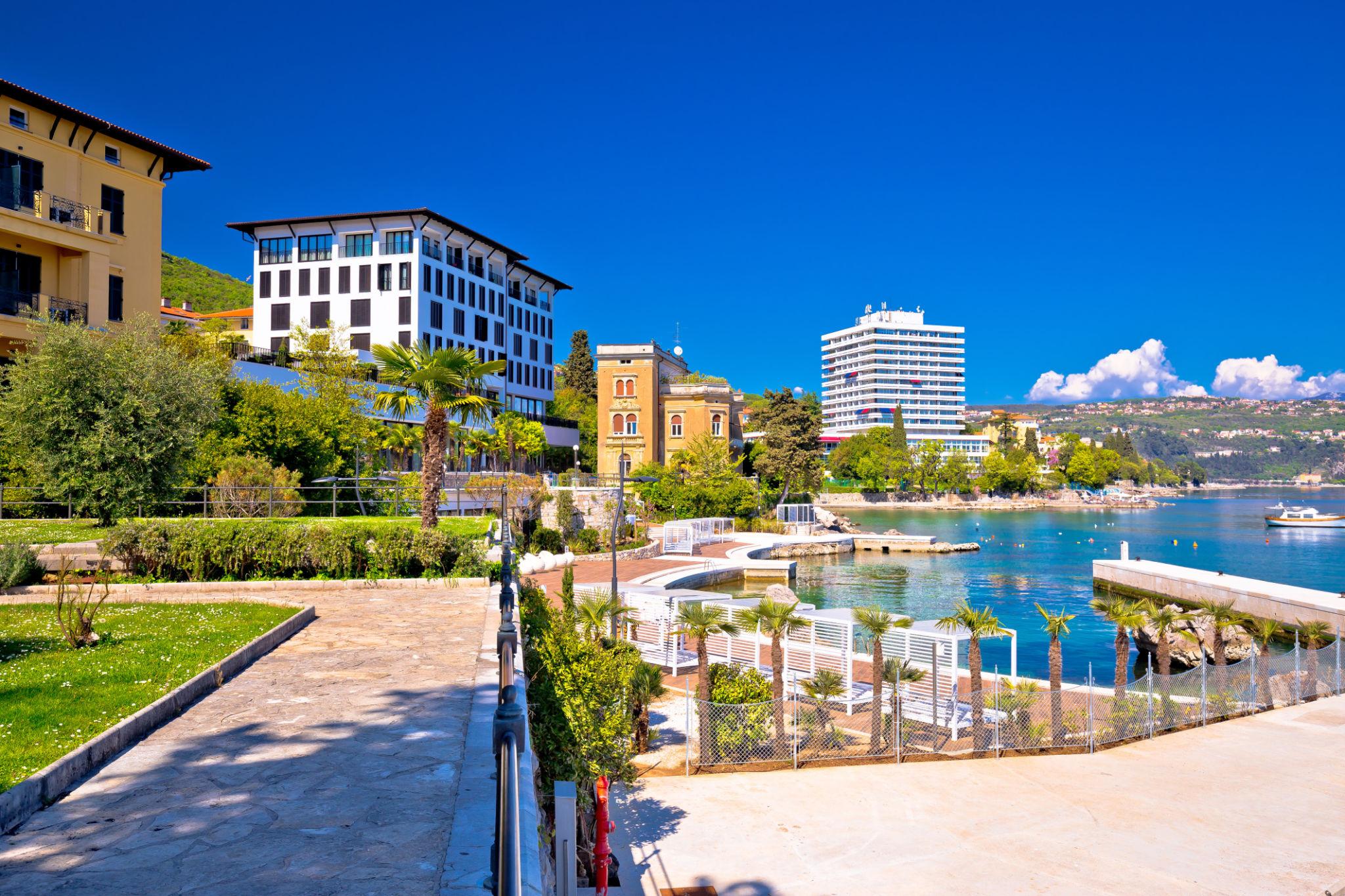
Adriatic calm and understated elegance
End your trip in Opatija.
Compared with the wilder coastal feel of southern Croatia, Opatija feels refined and quietly elegant.
The town became famous during the Austro‑Hungarian era and still keeps that old‑world Adriatic charm today.
Think:
seafront promenade
grand historic hotels
spa and wellness culture
cafés with sea‑view terraces
relaxed evenings on the promenade
It’s the perfect final stop before heading home, because it encourages you to slow right down instead of trying to squeeze in even more sightseeing.
Ideal activities for the last full day
Afternoon in the spa
Long walk along the promenade
Seafront seafood lunch
Sunset drink overlooking the Kvarner Gulf
📌 Final feeling: For very busy professionals, Opatija feels less like another destination and more like a genuine sigh of relief.
Day 7: Leaving space to breathe
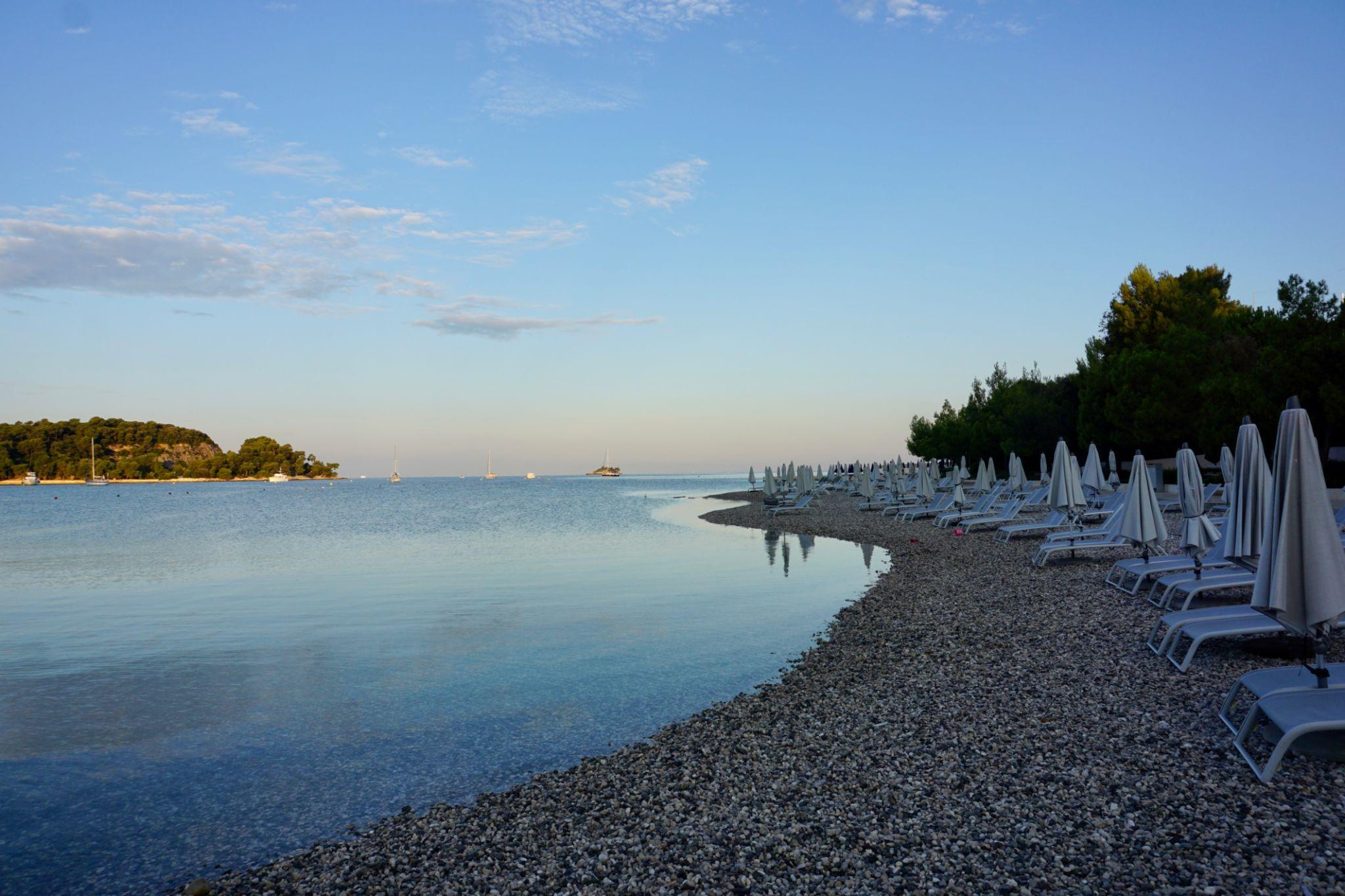
The smartest itineraries avoid one major mistake:
Trying to cram too much into the final day.
Instead:
have a slow breakfast
enjoy one last walk
stop for a coffee
leave for the airport with a comfortable margin
A good holiday shouldn’t require a recovery period once you’re back home.
And this might be the most important reason why Istria works so well for very busy professionals.
It allows you to slow down without ever getting bored.
When is the best time to visit Istria?
For couples looking for a quieter experience, the best months are:
May
June
September
early October
These periods offer:
mild, pleasant weather
fewer crowds
better hotel availability
a more relaxed atmosphere
ideal conditions for food‑ and wine‑focused trips
⚠️ Note: July and August are livelier, but also significantly busier. For those seeking calm, the shoulder seasons are the best choice.
Final thought
Croatia tastes different up here
There are many beautiful Mediterranean destinations.
But not all of them allow you to truly switch off.
Istria does.
Not through excess.
Not through glitz.
But through pace, atmosphere, food, coastline and simplicity.
And for many very busy British travellers, that ends up being far more valuable than yet another “bucket list” trip to an overcrowded place.
