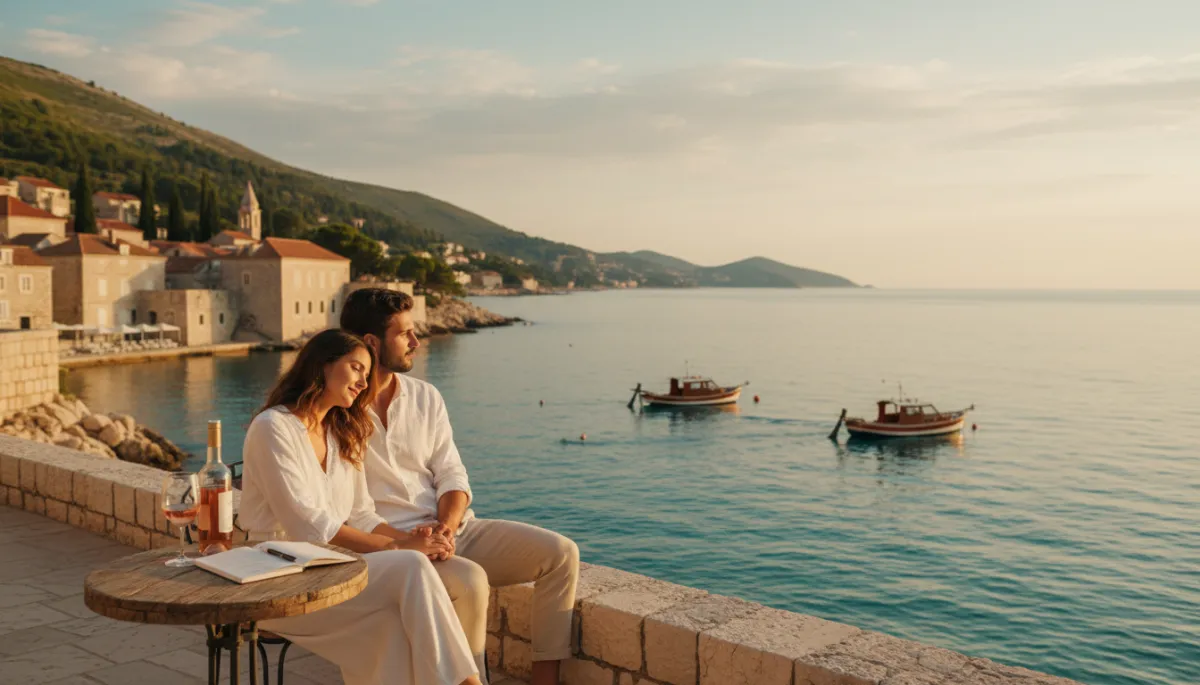
Plan Your Perfect Croatia Honeymoon Easily
Croatia honeymoon, romantic Croatia travel, honeymoon Croatia itinerary
How to Plan a Croatia Honeymoon Without Overcomplicating It
By the time most couples sit down to plan a Croatia honeymoon, they are already a bit tired. Work has been busy, the wedding has its own to‑do list, and suddenly there are tabs open for Dubrovnik, Hvar, Plitvice, Rovinj, Korčula, Vis, ferries, transfers, room categories. It can start to feel like planning a small logistics operation rather than a trip where you actually rest together.
Croatia usually works better once you stop trying to see all of it. A good honeymoon here is less about collecting destinations and more about choosing a few places that feel gentle, romantic, and easy to move between. The beauty is already there. The real question is whether you give yourselves enough space to actually feel it.
Start with pacing, not with a map
Before you decide where to go, decide how you want the honeymoon to feel. Do you want long, lazy mornings and slow breakfasts by the sea? Or do you picture a bit of exploring, some boat days, a few old towns, but still time to breathe? Your answers should shape the rhythm of your honeymoon Croatia itinerary more than any list of "must‑see" spots.
For most couples, two or three bases over ten to fourteen nights is enough. That might look like Dubrovnik plus one island, or Split plus two islands, or Istria plus a night or two in Zagreb. The moment you start adding a fourth or fifth stop, the trip quietly shifts from romantic to slightly exhausting. You spend more time packing, checking out, and figuring out ferry times than sitting together with a glass of wine and a view of the water.
📌 Key takeaway: For a calm Croatia honeymoon, think in bases, not in sights. Two or three well‑chosen places, with at least three nights in each, usually feels far better than five stops in ten days.
Honeymoon pacing: how many nights where
A simple 10–12 night Croatia honeymoon outline
To keep things calm, start with something like:
3–4 nights in Dubrovnik or Split (for history, atmosphere, and easy arrivals)
4–6 nights on one island that suits your energy (Hvar, Vis, Korčula or Brač work well)
Optional 1–2 nights somewhere different at the end, like Rovinj, Istria’s wine country, or Zagreb, if your flights fit
That might not sound as ambitious as some online Croatia honeymoon itineraries that squeeze in Plitvice, multiple islands, and several cities. But on a honeymoon, there is a quiet relief in unpacking your suitcase and knowing you will not touch it for a few days. You start to remember which side street has your favourite café. You know which table feels best at sunset. The place becomes part of your relationship story, not just another stop.
Leaving room for tired days
At least one day of your honeymoon you will wake up more tired than you expected. Maybe it is after the wedding, maybe after a long travel day, maybe halfway through when everything catches up with you. If your schedule is tight, that tired day becomes stressful. If your plan is looser, it just becomes a quiet morning: a longer coffee, a slow walk, perhaps a nap with the balcony doors open to the sea.
💡 Pro tip: Plan at least one completely unscheduled day in each base. No tours, no ferries to catch, nothing that has been prepaid. You can always add things once you are there, but you cannot get that empty day back if you fill it in advance.
Choosing islands for a Croatia honeymoon
Some islands are beautiful for a day. Others are easier to settle into. When you are planning romantic Croatia travel, it helps to be honest about what you both enjoy. Do you like some nightlife and energy, or are you happier with quiet coves and long dinners? Are you comfortable renting a car or scooter, or would you prefer to walk and use simple boat taxis?
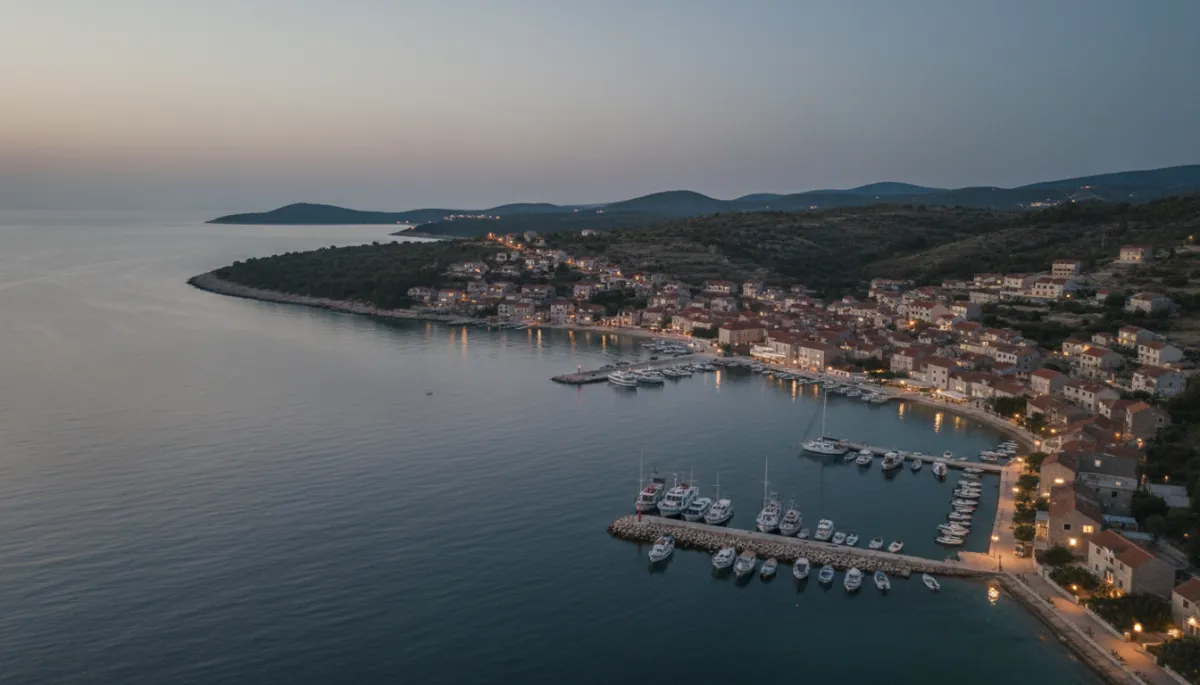
Island evenings often feel gentler once the last day boats have left.
Hvar: lively, scenic, flexible
Hvar is popular for a reason. The harbour is cinematic, the sunsets are generous, and the Pakleni Islands sit just offshore for easy boat days. It has nightlife if you want it, but you can also stay slightly outside Hvar Town and keep things quieter. For couples who enjoy a bit of buzz and variety, Hvar often works well as the main island base for a Croatia honeymoon, especially combined with Dubrovnik or Split at either end. Sources like HvarInfo describe it as a blend of beaches, history, and energy that suits many honeymooners without feeling like a party trip if you choose your hotel and timing carefully (HvarInfo).
Vis: slow, quiet, and deeply romantic
Vis feels different. The ferries take longer, the island is further out, and the atmosphere is softer. There is less to tick off and more to simply enjoy: a long lunch by the water in Komiža, a late swim when the bay is almost empty, a drive through vineyards at golden hour. For couples who want to truly slow down, Vis often becomes the favourite part of their romantic Croatia travel. It is not for rushing. It is for staying at least four or five nights and letting your shoulders gradually drop.
Korčula, Brač and Mljet: balancing variety and calm
Korčula has a compact, beautiful old town that people often call a smaller Dubrovnik, with nearby vineyards and quiet bays. It suits couples who like a mix of gentle exploring and easy wine tasting. Brač is practical if you want that classic beach feel, especially around Zlatni Rat, and it pairs well with Split because the ferry route is short. Mljet, with its national park and lakes, is better for couples who like walking and nature. You do not need to visit all of them. Choose the one that matches your energy best and give it time.
📌 Key takeaway: One well‑chosen island is usually enough for a Croatia honeymoon. Two at most, if ferries are straightforward. The more islands you stack, the less time you actually spend feeling the rhythm of any of them.
Romantic hotels in Croatia: choosing atmosphere over drama
Croatia has plenty of impressive hotels, but on a honeymoon you are not trying to impress anyone. You are looking for places that feel kind to be in. A balcony where you can sit in your robe with morning coffee. A bed you can actually sleep in after a hot day. Staff who quietly notice it is your honeymoon without turning it into a performance.

The best honeymoon rooms feel like a gentle pause, not a showroom.
Dubrovnik and Split: historic charm with sea views
Around Dubrovnik, cliffside hotels like Villa Dubrovnik and Hotel Bellevue Dubrovnik are often mentioned among Croatia’s most romantic places to stay, with sea views and a feeling of being slightly removed from the crowds while still close to the Old Town (Oyster). Inside the walls, The Pucic Palace gives you that intimate, historic atmosphere if you are happy to be in the middle of the old stone streets. Just remember that staying within the Old Town can mean more steps, more noise at times, and a heavier feel in the afternoon heat. Staying just outside often feels lighter.
In Split, places like Heritage Hotel Antique Split and Cornaro Hotel put you right inside or just beside Diocletian’s Palace, which can feel very special in the evenings when the day‑trippers have gone. If you prefer more space and sea, Le Méridien Lav, a little south in Podstrana, gives you a resort feel with a beach and spa, while still being close enough to Split for a day of exploring. Reviews and guides consistently highlight these as romantic choices for couples who want a mix of city and coast without too much effort moving around (Tripadvisor).
Islands and Istria: settling into a softer rhythm
On the islands, romantic hotels tend to be smaller and more about atmosphere than spectacle. Zori Timeless Hotel on the Pakleni Islands near Hvar is a good example: sea all around, elegant rooms, and a feeling of being tucked away while still close to Hvar Town by boat. In Hvar itself, The Palace offers that classic view over the harbour and square, ideal if you enjoy watching the town’s rhythm from your balcony in the evening (Romantic Getaway Hotels).
Further north in Istria, Meneghetti Wine Hotel & Winery near Bale sits among vineyards and olive trees, with a calm, rural feel that works beautifully at the end of a busier coastal itinerary. In Rovinj, Grand Park Hotel Rovinj and the adults‑only Monte Mulini are often recommended for couples, combining sea views, spa time, and evening walks into the old town’s pastel streets (Hoteliers Choice). These are the kinds of places where you might spend a full day just moving between the pool, the terrace, and the water.
A note on Zagreb and inland stays
If your flights route through Zagreb, a night or two at the end can feel like a soft landing. The Esplanade Zagreb Hotel has that old‑world, Art Deco elegance that suits a final night of dressing up a little, having cocktails in the bar, and talking through your favourite parts of the trip. It is not essential for every Croatia honeymoon, but it can be a nice way to mark the end if it fits your route (Esplanade Zagreb Hotel).
💡 Pro tip: When comparing romantic hotels in Croatia, look less at the number of pools and more at small details: balcony size, breakfast hours, whether the spa is usually crowded, how easy it is to walk somewhere for dinner. Those details quietly shape how the days feel.
Simplifying logistics so your honeymoon feels light
A Croatia honeymoon can be beautifully simple if you let ferries and flight routes guide you instead of fighting them. The country is long and coastal, with islands strung out like a loose necklace. The more you zigzag, the more energy you spend on transfers. The calmer approach is to pick a natural line and follow it: for example, Dubrovnik → one island → Split, or Split → island → Istria, or Zagreb → Plitvice → the coast, then stop.
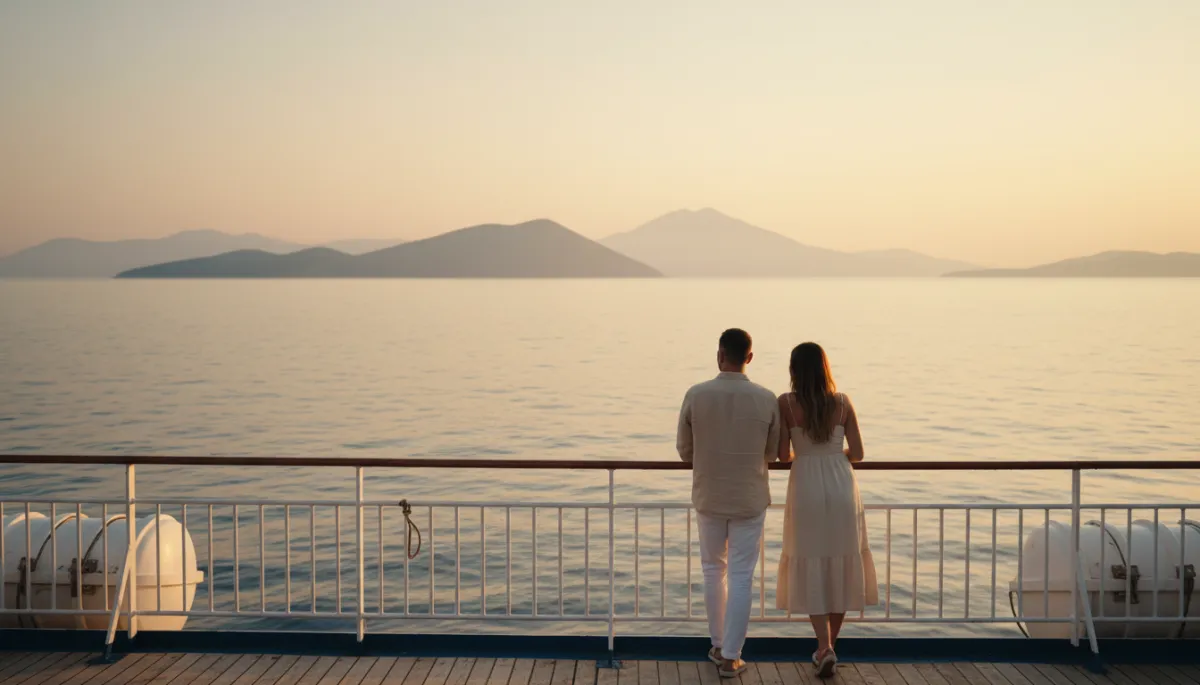
Ferries set the rhythm in Croatia; planning with them, not against them, keeps things calm.
Ferries, transfers, and timing
Ferry schedules quietly shape your days. Many routes run in the morning, some in the early afternoon, fewer in the evening. If you book a 7 am ferry after a wedding weekend and a long flight, that morning can feel very sharp. It often works better to accept a slower start: one night in your arrival city, a mid‑morning ferry the next day, and then you are on your island in time for a late lunch. You arrive as humans, not as luggage.
Private transfers can help, but they are not magic. A car transfer from Dubrovnik to Split is still several hours. You do not need to eliminate every bit of movement, just avoid stacking too many long days back to back. Think about your energy as much as your time.
One‑way routes instead of backtracking
If possible, book flights into one city and out of another. For a classic Croatia honeymoon, flying into Dubrovnik and out of Split (or the reverse) keeps your route clean. You can start in Dubrovnik, move to an island like Korčula or Hvar, then finish in Split. Or arrive in Split, go to Brač or Hvar, then end in Dubrovnik. You avoid doubling back, and every move feels like a gentle step forward rather than a loop.
Booking rhythm: enough structure, not too much
For a Croatia honeymoon, it usually works to book:
All hotels in advance, especially in summer, so you are not scrolling for rooms at midnight. Romantic hotels in Croatia, like Villa Dubrovnik or Grand Park Rovinj, often sell out months ahead in peak season (Booking.com).
Key ferries and transfers, particularly on busy routes like Split to Hvar, so you know how you are moving between bases.
One or two special dinners or experiences, such as a wine tasting day in Korčula or a boat trip around the Pakleni Islands.
Then leave the rest open. You do not need a spreadsheet of every lunch and swim spot. Croatia is kind to people who wander a little.
Avoiding overpacked itineraries on your Croatia honeymoon
The most common pattern with Croatia honeymoons is simple: too many places in too few days. It often starts with good intentions. You see images of Dubrovnik walls, Hvar sunsets, Plitvice waterfalls, Rovinj’s old town, and you try to fit them all into one trip. On paper it looks possible. In real life, it feels like waking up every second morning to check out, find a taxi, catch a ferry, and start again somewhere new while still thinking about the last place you left.
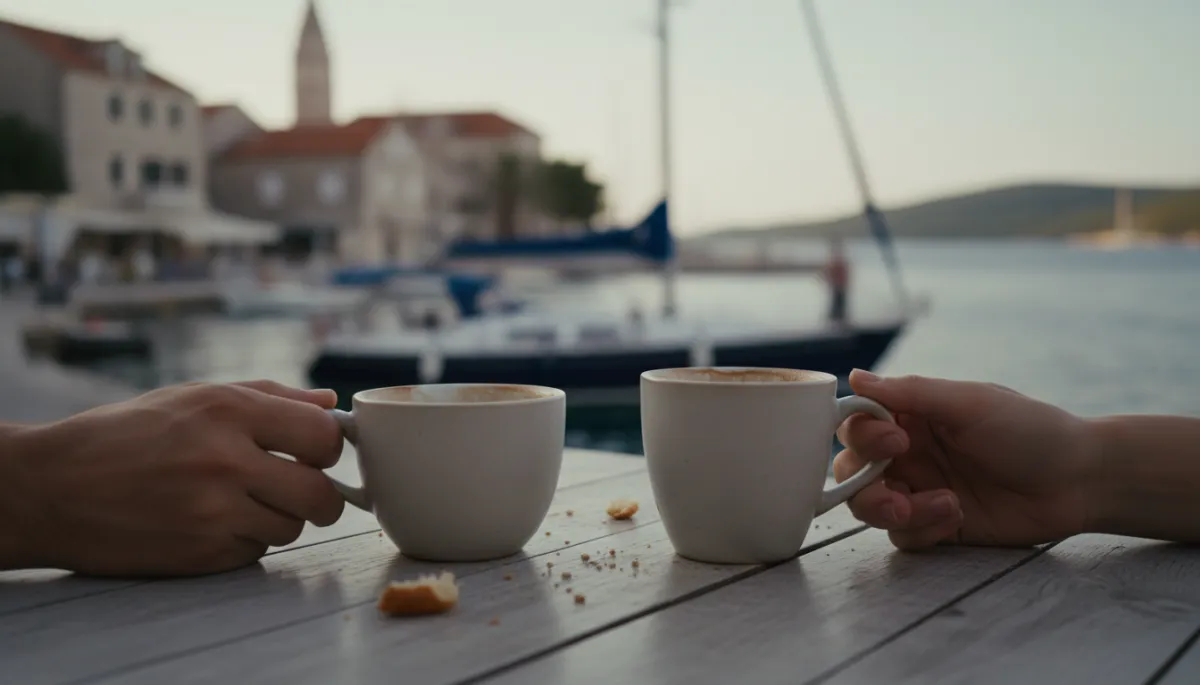
Some of the best honeymoon memories arrive in the quiet, unplanned moments.
Signs your plan is too busy
You have more transfers than actual full days in some places.
You are trying to include both Istria and Dubrovnik in a short trip without enough nights.
You feel anxious when you look at your own schedule.
There are no days without a plan.
If any of that sounds familiar, the simplest fix is to remove one stop. Often, dropping a single island or city makes the whole Croatia honeymoon itinerary feel lighter. Instead of Dubrovnik, Split, Hvar, Korčula and Plitvice in twelve days, you might do Dubrovnik, Hvar and Split, and visit a national park on a day trip or save it for another trip. The coastline is not going anywhere.
Choosing what to skip (without feeling like you are missing out)
It helps to be clear about what matters most to you both. If swimming in warm, clear sea and quiet dinners by the water are your priorities, you might not need to drive all the way to Plitvice on this trip. If you love wine and hill towns, you might choose Istria and one island instead of trying to push all the way down to Dubrovnik. Many honeymoon guides suggest long cross‑country routes, but you are allowed to keep yours smaller and more realistic (The Knot, Brides).
There is usually a moment, somewhere after dinner near the water, when couples realise how much they needed the break. That moment does not depend on how many places you visited. It depends on whether you gave yourselves enough time to settle, to unpack, to have a favourite table and a familiar walk back to your hotel in the evening.
Putting it all together: a calm Croatia honeymoon example
To make this more concrete, here is how a simple, unhurried Croatia honeymoon might look over twelve nights:
Nights 1–3: Dubrovnik Arrive, sleep properly, walk the city walls early one morning before the heat, take a boat to Lokrum or a sunset cruise, and have one special dinner with a sea view. Stay just outside the Old Town for a bit more calm, perhaps at Hotel Bellevue Dubrovnik or Villa Dubrovnik if budget allows.
Nights 4–9: Hvar or Vis Take a mid‑morning ferry, arrive in time for a late lunch, and then spend almost a week in one place. Mix beach days, a boat trip to the Pakleni Islands or nearby bays, lazy coffees in the square, and a few dinners at simple konobas. Choose a romantic hotel that suits your style: something central with a harbour view in Hvar, or something more tucked away on Vis.
Nights 10–12: Split or Rovinj End in a small city that feels walkable and relaxed. In Split, you can wander Diocletian’s Palace in the evenings and have one last sea swim. In Rovinj, you can watch the fishing boats return and have your final dinners under soft streetlights. A hotel like Heritage Hotel Antique Split or Monte Mulini in Rovinj gives you that last touch of ease before you fly home.
This is only one version, but you can feel the rhythm: a clear start, a long, gentle middle, and a soft ending. No frantic cross‑country drives, no 5 am alarms for ferries, no feeling that you have to “use” every minute. Just enough structure to feel held, and enough looseness to feel free.
Ending calmly: giving your honeymoon room to breathe
A Croatia honeymoon does not need to be complicated to be special. The Adriatic will still be there if you decide to skip one island. Dubrovnik’s walls will still be there if you choose to walk them once instead of twice. What you will remember later is how it felt to finally slow down together: the first swim where your shoulders truly relaxed, the evening you stayed longer at dinner because the breeze was perfect, the quiet mornings when you realised you were no longer thinking about work or wedding emails.
Planning a Croatia honeymoon without overcomplicating it is less about finding secret places and more about making gentle choices: fewer bases, kinder ferry times, hotels that feel calm rather than flashy, and islands that match your natural pace. Once those pieces are in place, you can stop worrying about the itinerary and let the days unfold the way good Mediterranean days usually do: slowly, with plenty of light, and with enough space for the two of you to actually notice that you are on holiday together.
